


Niacin is a naturally occurring nutrient known as vitamin B3.
This vitamin supports and protects the nervous system, regulates blood circulation, and is essential for metabolizing proteins and carbohydrates.
Receiving adequate amounts of niacin is crucial for overall health and wellness.
In this article, we’ll review a list of herbs high in niacin as well as the health benefits of niacin.

Table of Contents
Niacin Overview:
Niacin is a water-soluble B vitamin found in plants, grains, animals, and dairy. It is essential for optimal human health.
As one of the eight B vitamins, niacin plays a critical role in energy production, neuron health, and DNA production and repair.
Niacin deficiency can lead to various health complications, like pellagra, skin and gastrointestinal issues, brain fog, headaches, and behavioral changes.
Since niacin is water-soluble, the body doesn’t store the molecule in the body. Given this information, it’s crucial to ingest plants, foods, and herbs high in niacin to prevent complications and benefit from its numerous properties.
Herbs High in Niacin:
Below is a list of herbs high in niacin. Add these to your diet to improve your daily niacin intake.

1. Chili Pepper (Capsicum frutescens)
Chili pepper is a revered fruit in the Solanaceae or nightshade family. This spicy, hot herb has a rich culinary history and is famous for its antioxidant and high vitamin C content.
The chili pepper thrives in tropical climates and often grows in various colors, like red, yellow, and orange. In addition to the intense flavor that chili peppers add to culinary cuisine, the fruit is known for its circulatory and anti-inflammatory properties.
Research shows that chili peppers contain various health benefits, like cardiovascular, digestive, and antimicrobial support.
It’s estimated that 1g of chili pepper powder contains 0.11mg of niacin. Given this information, consuming a well-rounded diet of niacin-rich herbs and foods is best to satisfy sufficient niacin levels.
Chili peppers are frequently powdered and used in the kitchen. However, they can also be infused in oil and enjoyed in various dishes or rubbed on the skin for potential pain relief.
Summary:
Chili pepper, a niacin rich food, shows evidence of cardiovascular, digestive, and antimicrobial benefits.

2. Ginger (Zingiber officinale)
Ginger is an herb used heavily in the kitchen and for therapeutic purposes. It has a sweet and spicy flavor that’s well-loved all around the world.
Research suggests ginger may aid digestion, reduce nausea, improve circulation, and ease inflammation. It may also relieve pain for people managing joint issues and menstruation complications.
Ginger and the supportive herb turmeric are often included in the popular therapeutic beverage golden milk.
It’s estimated that 1g of ground ginger contains .09 mg of niacin, making ginger a great source of vitamin B3.
Popular ginger dishes include soup, stir-fries, candied ginger, and marinades. Ginger can be administered as a tea, tincture, or capsule supplement.
Summary:
Beyond having a high niacin content, ginger may work to benefit digestion, decrease nausea, promote circulation, and have anti-inflammatory effects.
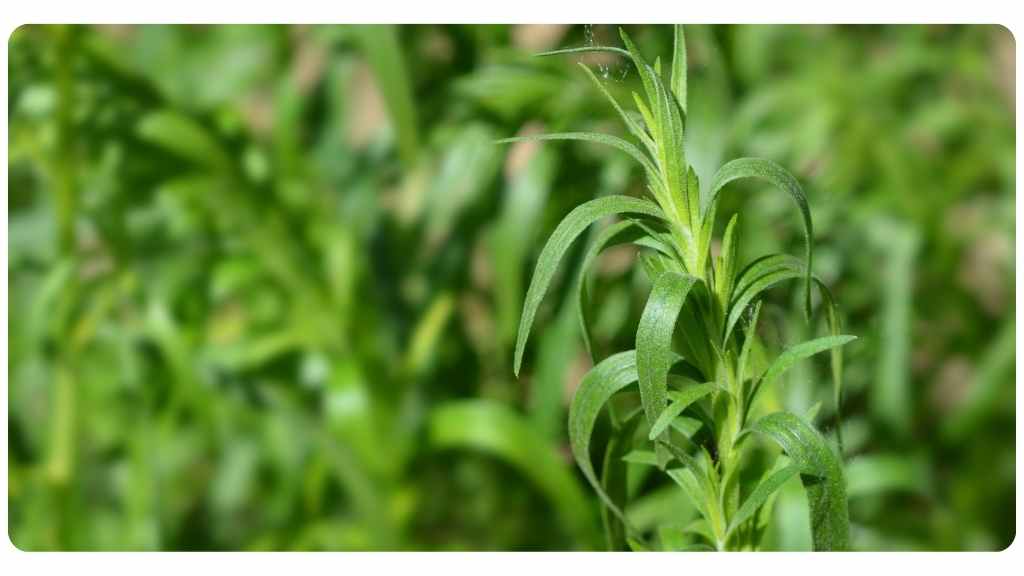
3. Tarragon (Artemisia dracunculus)
Tarragon is an herb in the Asteraceae, or daisy family that is known as the
“king of the herbs” because it can elevate any dish. This perennial, aromatic plant is high in minerals, like magnesium and calcium, and is known for its licorice smell.
Research shows that tarragon may have antidepressant, anti-inflammatory, and antimicrobial properties. It is also known to support bone and cardiovascular health.
1g of dried tarragon is estimated to contain .08mg of niacin.
Tarragon is commonly used as a spice in